
Digitalni burnout – simptomi, uzroci i kako da se oporaviš
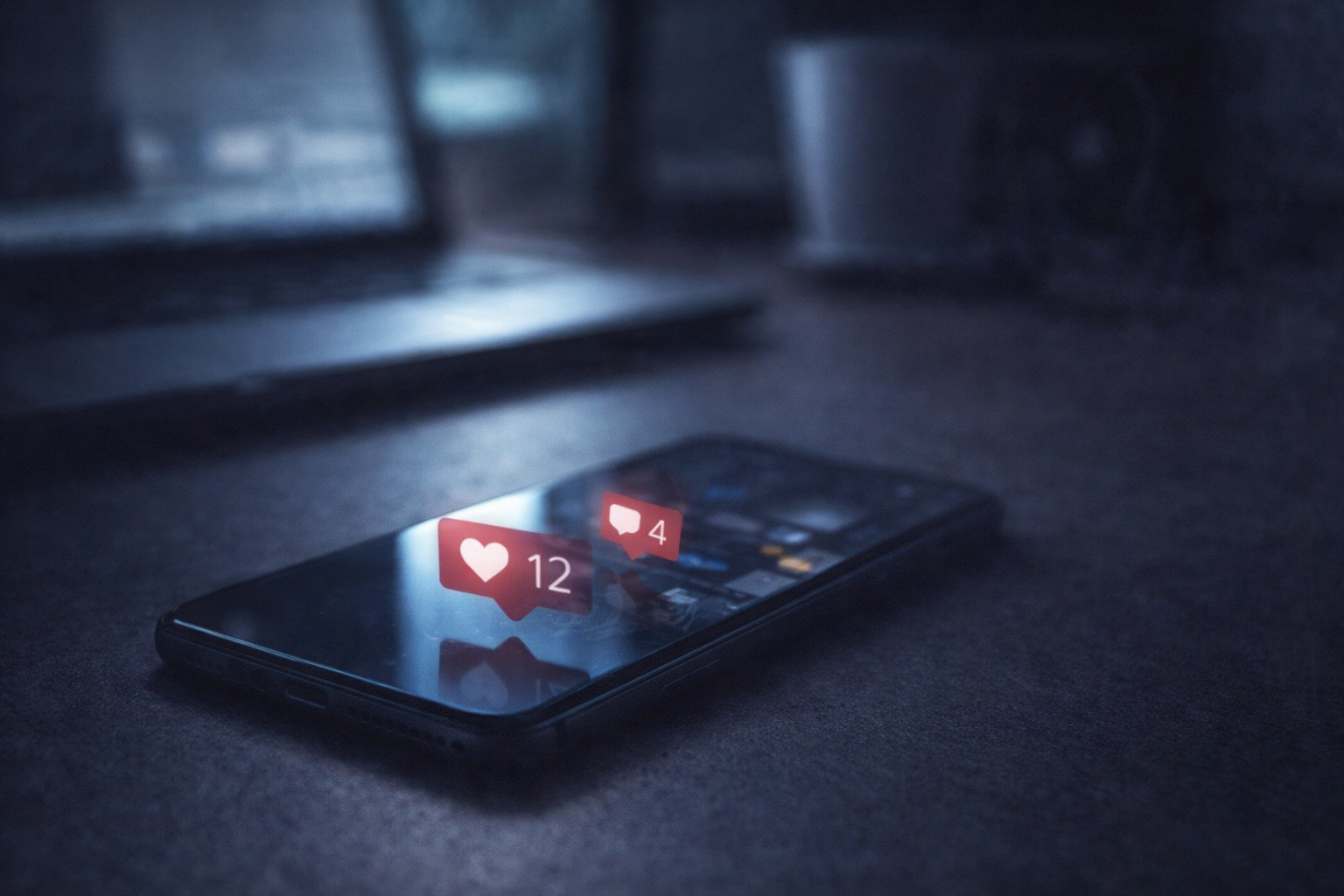
Ako se posle 30–60 minuta skrolovanja osećaš prazno, umorno i mentalno prepunjeno, vrlo je moguće da nije u pitanju samo loša navika već digitalni burnout. Digitalni burnout je stanje mentalne i emocionalne iscrpljenosti koje nastaje zbog stalne izloženosti ekranima, notifikacijama i kratkim digitalnim stimulansima.
Ljudi ga često opisuju kao glavobolju u potiljku, nervozu bez jasnog razloga, nesanicu, „moždanu maglu“ ili osećaj da im je mozak pregrejan i da se ne mogu vratiti normalnom fokusu.
Za razliku od klasičnog burnouta na poslu, digitalni burnout može da se javi i kada posao nije problem – čak i kada je život relativno stabilan.
Kako da znaš da je ovo digitalni burnout, a ne običan umor?
Običan umor prolazi odmorom. Kod digitalnog burnouta, odmor često ne pomaže jer se „odmaraš“ gledajući u ekran.
- Praznina posle skrolovanja – energija je potrošena, a ništa nije dobijeno.
- Nesanica – skrolovanje do kasno i nemogućnost da se isključiš.
- Moždana magla – slab fokus i mentalna tromost.
- Nervni sistem na ivici – iritacija bez jasnog razloga.
- Refleksna potreba za proverom telefona.
Zašto digitalni burnout nastaje: mozak nema pauzu
Digitalni burnout nastaje kada mozak ne dobija prazninu. Kratki i intenzivni dopaminski impulsi (Reels, TikTok, Shorts, notifikacije) drže nervni sistem stalno aktivnim.
Prema istraživanjima o digitalnom zamoru i pažnji koje objavljuje American Psychological Association , konstantna digitalna stimulacija direktno utiče na pad koncentracije i porast anksioznosti.
Najčešći okidači digitalnog burnouta
- Skrolovanje pred spavanje
- Notifikacije koje stalno prekidaju pažnju
- Korišćenje više platformi istovremeno
- Pasivna konzumacija sadržaja
Kako da zaustaviš digitalni burnout (praktično)
1) Digitalni izlaz 60 minuta pre spavanja
Telefon van kreveta ili bar van ruke. Ovo je najbrži način da se smanji nesanica i mentalna preopterećenost.
2) Pametno gašenje notifikacija
Isključi društvene mreže i vesti. Ostavi pozive i poruke za bliske ljude.
3) Aktivno umesto pasivnog korišćenja ekrana
Ako već koristiš ekran, neka to bude svesno – čitanje, slušanje, učenje.
Kako izgleda oporavak u realnom životu
- manja potreba za proverom telefona
- lakše uspavljivanje
- povratak fokusa
- manje dnevnog mentalnog umora
Digitalni burnout i posao
Kod ljudi koji rade online, digitalni burnout se često prepliće sa poslovnim pregorevanjem. Ako iscrpljenost postoji i tokom slobodnih dana, uzrok je gotovo uvek stalna digitalna stimulacija.
Ako te zanima širi kontekst, pogledaj i naš vodič: Digitalni fokus u svetu stalnih distrakcija .
Mini checklista: brzi reset za 24 sata
- 60 min bez ekrana pre spavanja
- ugasiti notifikacije društvenih mreža
- šetnja bez telefona (15–20 min)
- jedan Pomodoro blok bez prekida
- 5 minuta potpunog mira bez ekrana
Zaključak: Digitalni burnout nije slabost. To je signal da je pažnja preopterećena. Kada presečeš glavni izvor stimulansa, oporavak često dolazi brže nego što očekuješ.